


Amber perfumes
Warm, enveloping, glowing like resin held up to the light. Amber perfumes, once called oriental, are born from an ancient encounter: labdanum, benzoin, vanilla, incense and precious balsams, sometimes brightened by spices or deepened by oud. This is the family of seduction and long-lasting trails. Here you will find amber creations from the finest international niche houses: those where amber takes centre stage and those where it accompanies a floral, woody or gourmand soul.
The 10 best niche amber perfumes
Our top 10: the most loved amber perfumes in our boutique.
-
N. 1
 Initio Parfums Privés
Side Effect
Gourmand amber: rum and cinnamon over tobacco, saffron and vanilla. €280,00 -
N. 2
 BDK Parfums
Rouge Smoking Extrait
Fruity amber: cherry and almond, tonka and labdanum, Thai oud and black vanilla. €280,00 -
N. 3
 Ramon Monegal
Flamenco Extrait de Parfum
Spicy amber: saffron, rose and raspberry over jasmine, oud, leather and amber. €270,00 -
N. 4
 Attar Al Has
Leather Effecto
Leathery amber: nutmeg, saffron and rum, jasmine, labdanum and vanilla. €285,00 -
N. 5
 Born to Stand Out
Black Crème
Leathery amber: milk and candle wax, oud, leather and myrrh, caramel and sandalwood. €300,00 -
N. 6
 Stéphane Humbert Lucas
Black Gemstone
Woody amber: three citrons and Sicilian lemon, myrrh, incense, teak and tonka. €260,00 -
N. 7
 Initio Parfums Privés
Narcotic Delight
Gourmand amber: cherry, cognac and pink pepper over tobacco and vanilla. €280,00 -
N. 8
 Les Folies du Parfum
Black Mandarin
Citrus amber: candied mandarin, rose and saffron, myrrh, oud and suede. €250,00 -
N. 9
 Jupilò
Milky Oud
Woody amber: saffron and nutmeg, milk, oud and sandalwood, cistus and vanilla. €185,00 -
N. 10
 The Spirit of Dubai
Dubai Meydan
Leathery amber: grapefruit and lavender, tobacco, oud, leather and vanilla. €255,00


All amber perfumes
45 of 202 perfumes with the selected filters.
45 of 202 products
-

 Sold out
SIGNATURE HALFETI BLACK ROSE
Vendor:ZaharoffRegular price €175,00Regular priceUnit price for -
MUSICAL VIBRATIONS
Vendor:GhawaliRegular price €200,00Regular priceUnit price for -
DIRTY HEAVEN
Vendor:Born to Stand OutRegular price €205,00Regular priceUnit price for -
INGENIOUS GINGER
Vendor:Goldfield & BanksRegular price From €128,00Regular priceUnit price for -
VANILLA MONSOON
Vendor:SalumRegular price €155,00Regular priceUnit price for -
FLAMINGO FIZZ
Vendor:Superz. BudapestRegular price €120,00Regular priceUnit price for -
MARSHOUD 4 BLACK
Vendor:Atyab Al MarshoudRegular price €88,00Regular priceUnit price for -
ALONE IN BABYLON
Vendor:Stéphane Humbert LucasRegular price €240,00Regular priceUnit price for -
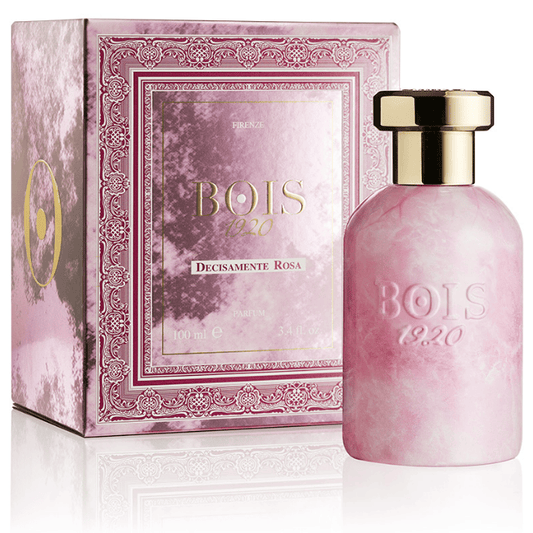
DECISAMENTE ROSA
Vendor:Bois 1920Regular price €195,00Regular priceUnit price for -
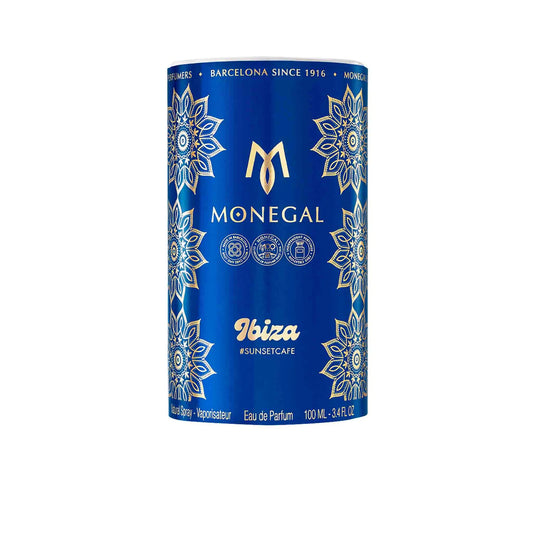
SUNSET CAFÉ
Vendor:Ramon MonegalRegular price €180,00Regular priceUnit price for -
LIQUIDE GOLD
Vendor:Liquides ImaginairesRegular price €265,00Regular priceUnit price for -
 Sold out
WOOD JASMIN
Vendor:BDK ParfumsRegular price €225,00Regular priceUnit price for -
VANILLE LEATHER
Vendor:BDK ParfumsRegular price €225,00Regular priceUnit price for -
TUBÉREUSE IMPÉRIALE
Vendor:BDK ParfumsRegular price €225,00Regular priceUnit price for -
TABAC ROSE
Vendor:BDK ParfumsRegular price €225,00Regular priceUnit price for -
DUBAI FAKHAMA
Vendor:The Spirit of DubaiRegular price €425,00Regular priceUnit price for






A guide to amber perfumes
What is an amber perfume?
In perfumery “amber” is not a raw material but an accord: a blend of ingredients that together create a warm, sweet, resinous and slightly powdery effect. There is no “amber essential oil”. There is the art of composing it.
The classic heart of the accord brings together three key materials:
- labdanum, an ambery, almost leathery resin;
- benzoin, balsamic and vanilla-like;
- vanilla.
Around them the perfumer can add tonka bean, incense, myrrh, opoponax, balsams, spices, patchouli or precious woods. Each combination gives a different amber: softer, spicier, smokier, more gourmand.
Amber, ambergris and amber stone
The word is often confusing, because it means three different things.
Amber in perfumery
The heart of this family
- What it isAn accord created by the perfumer with resins, balsams and vanilla
- ScentWarm, sweet, resinous, enveloping
- In perfumesIt is the soul of every amber perfume
Ambergris
Today recreated with molecules
- What it isAn extremely rare substance formed in the intestine of the sperm whale
- ScentMarine, salty, animalic
- In perfumesFor centuries a precious fixative; today its effect is recreated mainly with Ambrox, developed by Firmenich in the 1950s, with a dry, woody and mineral profile
Amber stone
Shares only the name
- What it isThe fossil resin used in jewellery
- ScentPractically odourless
- In perfumesIt is not used to create the accord
All three names share the same root: the Arabic ʿanbar, which originally meant ambergris.
Amber or oriental?
For decades this family was called “oriental”. In 2021 Michael Edwards, author of the Fragrance Wheel, the famous wheel of fragrance families, replaced “Oriental” with “Amber”. The Fragrance Foundation in the United States and the British Society of Perfumers in the United Kingdom made the same choice.
There were two reasons: the old term was considered Eurocentric, and it was the only family name on the wheel that said nothing about the scent. “Amber” describes exactly what you smell. In France the name already existed: the classification of the Société Française des Parfumeurs has recognised the “Ambrés” family since its first edition, in 1984.
A story as long as perfumery itself
The materials of amber are among the oldest used by humankind. As early as the 5th century BC, Herodotus tells in his Histories that the Arabs collected ladanon from the beards of he-goats, where the resin stuck as the animals grazed on the bushes. Centuries later Pliny the Elder describes the same scene in Arabia and Cyprus. In Crete, until the 19th century, gatherers used a curious rake with leather strips instead of teeth, the ergastiri: they drew it over the bushes in the hottest hours and then scraped off the resin.
Between Oman, Yemen and Somalia grow the Boswellia sacra trees from which incense is obtained. In Oman the places of this ancient trade, from the trees of Wadi Dawkah to the caravan oasis of Shisr and the ports of Khor Rori and Al-Baleed, are a UNESCO World Heritage Site called the “Land of Frankincense”. According to UNESCO, the incense trade was one of the most important trading activities of the ancient and medieval world.
In the 19th century chemistry gave perfumers new materials, and modern amber was born. From then to today, the main milestones:
- 1820Coumarin, with its sweet scent of vanilla and hay, is isolated for the first time from tonka beans.
- 1868William Henry Perkin synthesises coumarin.
- 1874Ferdinand Tiemann and Wilhelm Haarmann create synthetic vanillin.
- 1889Jicky by Guerlain, considered the first modern perfume, is the ancestor of the family.
- 1905Ambre Antique by Coty, one of the first modern “ambers”.
- 1925Shalimar by Guerlain, according to the house “the first amber in history”.
- 1953Youth-Dew by Estée Lauder is launched as a bath oil and becomes a perfume.
- 1977Opium by Yves Saint Laurent, created by Jean Amic and Jean-Louis Sieuzac: the archetype of spicy amber.
- 1992Angel by Thierry Mugler, created by Olivier Cresp, builds the first great gourmand on an amber accord.
- 2000The “Land of Frankincense” in Oman becomes a UNESCO World Heritage Site.
- 2002M7 by Yves Saint Laurent brings oud to the wider Western public.
- 2021Michael Edwards' Fragrance Wheel replaces “Oriental” with “Amber”.
Today the meeting of amber and oud is one of the best-loved languages of niche perfumery.
The raw materials of amber
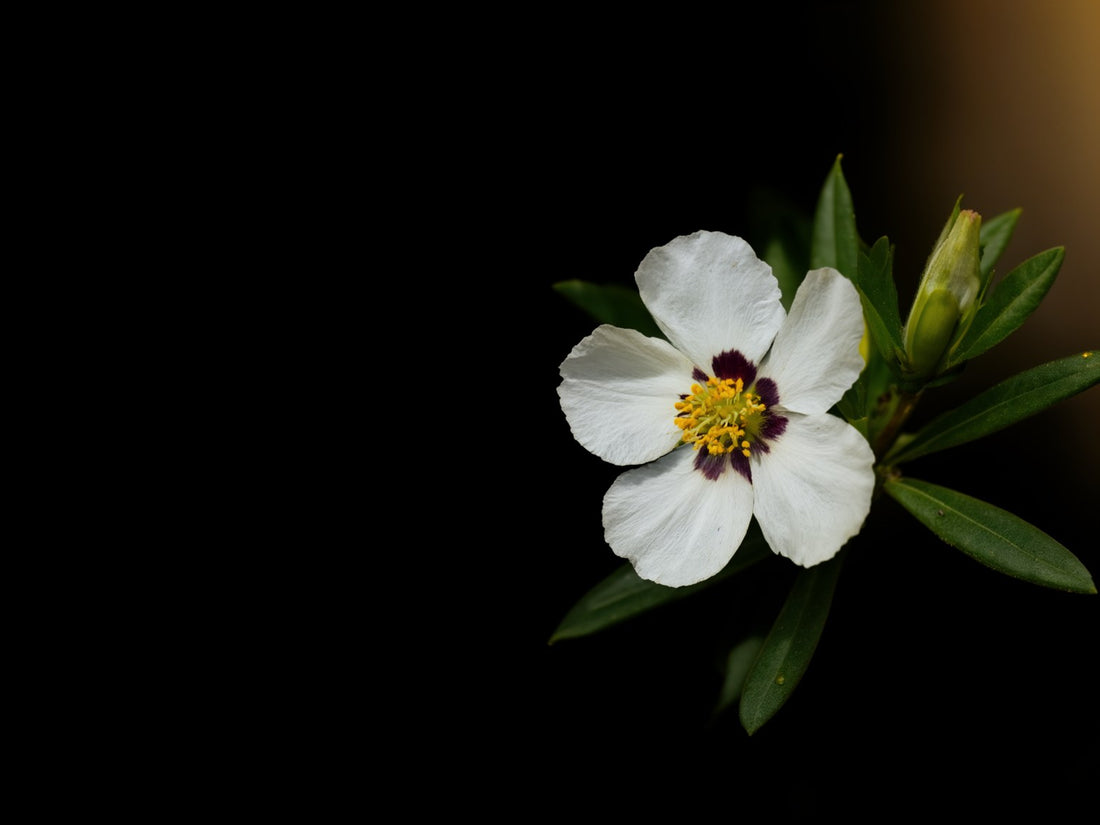
Labdanum
Cistus ladanifer · Andalusia
The gum resin of rockrose, Cistus ladanifer, a Mediterranean shrub that produces it in summer to protect itself from the heat. Today it is harvested mainly in southern Spain, in Andalusia. Its scent is ambery, warm and balsamic, with leathery and animalic nuances reminiscent of ambergris: it is the heart of the accord and one of the most precious fixatives.

Benzoin
Styrax · Laos and Sumatra
The balsam of Styrax trees, collected by cutting the bark: the resin flows out and hardens into “tears”. Siam benzoin, from Laos, is round and vanilla-like and is the favourite of fine perfumery; Sumatra benzoin is bolder. The name comes from the Arabic lubān jāwī, “incense of Java”, although the resin actually came from Sumatra.
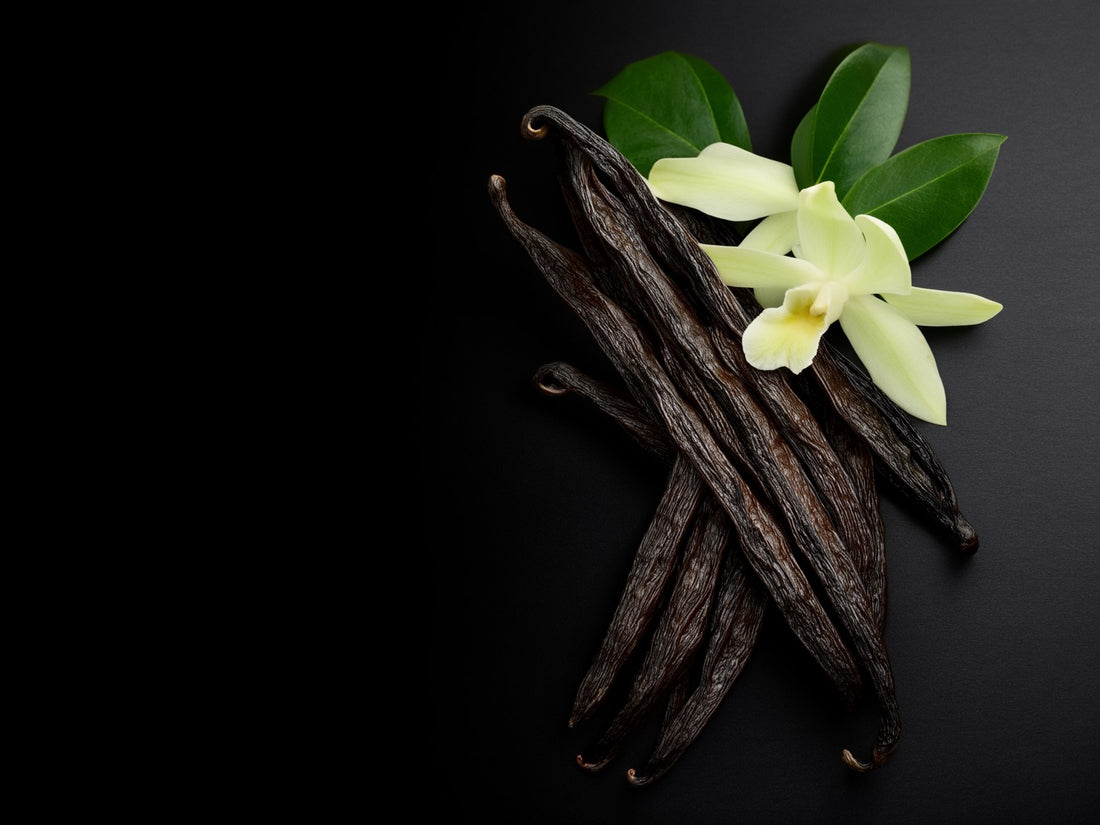
Vanilla
Vanilla planifolia · Madagascar
It is the fruit of an orchid native to Mexico, Vanilla planifolia, and for about three centuries Mexico was its only producer. In 1841, on the island of Bourbon, today's Réunion, Edmond Albius, a twelve-year-old enslaved boy, discovered how to pollinate the flower by hand: the same technique still used today, flower by flower. Madagascar is now the world's leading producer.

Tonka bean
Dipteryx odorata · South America
The seed of Dipteryx odorata, a South American tree. It contains coumarin, which owes its name to coumarou, the name of the tree, and smells of almond, sweet hay and vanilla. Coumarin was the heart of Fougère Royale by Houbigant, created by Paul Parquet in 1882 and one of the first great perfumes built around a single molecule.
Incense, myrrh and opoponax
Boswellia and Commiphora · Oman, Yemen, Somalia
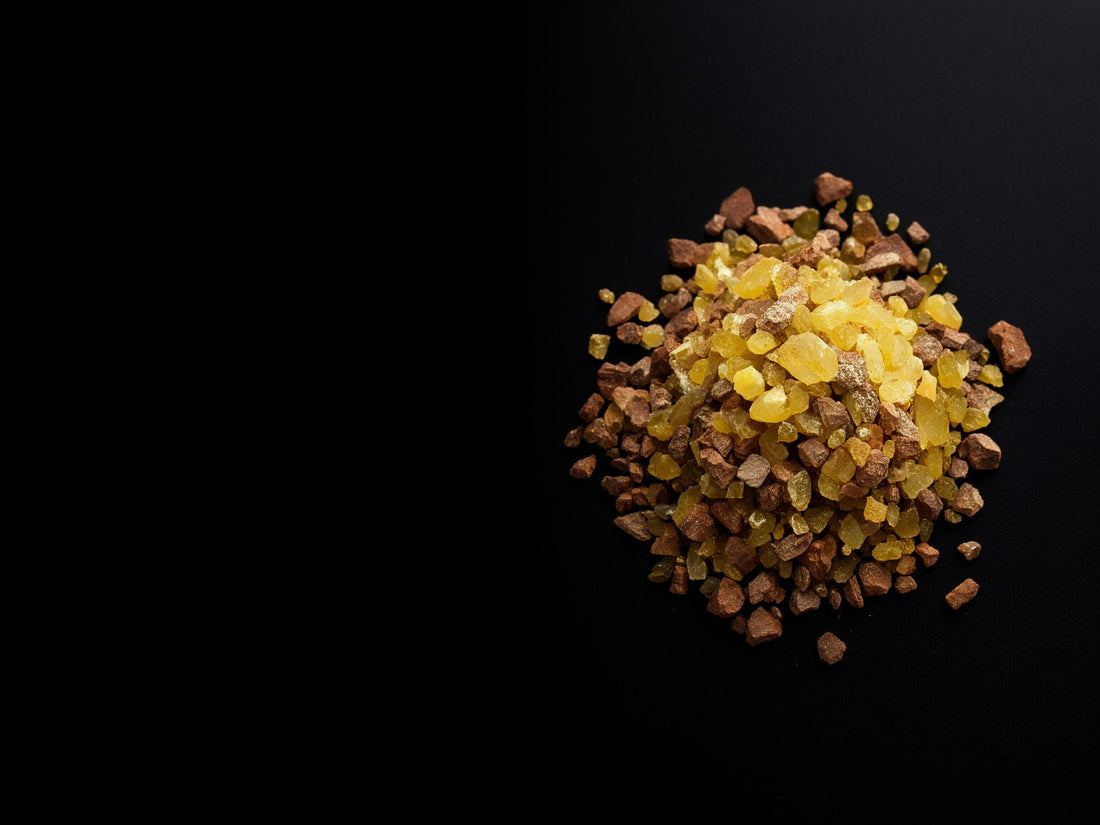
The sacred resins of antiquity. Frankincense comes from Boswellia sacra, between Oman, Yemen and Somalia; myrrh from Commiphora myrrha, in the Horn of Africa and southern Arabia. Opoponax, also called “sweet myrrh”, is the resin of a Commiphora species related to myrrh, exported by Somalia since ancient times. They still give depth and mystery to amber compositions.
Balsams and styrax
Myroxylon balsamum · El Salvador
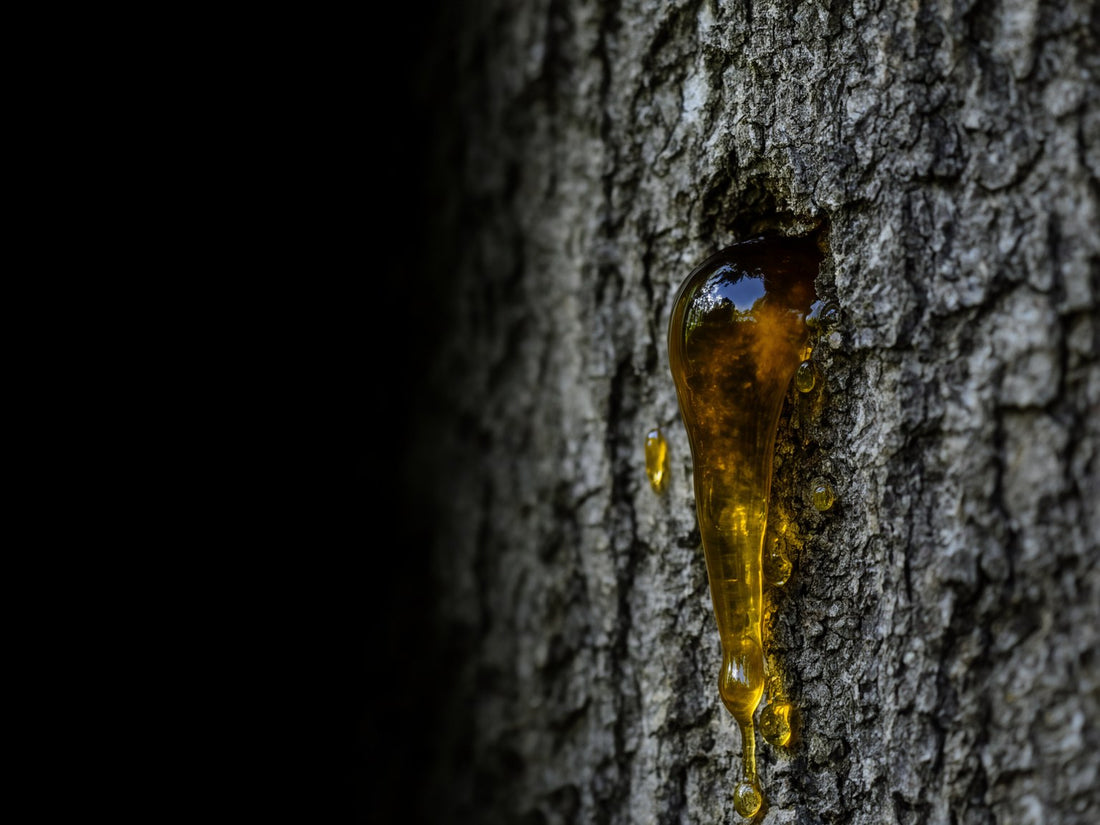
Peru balsam is sweet, balsamic and vanilla-like. Despite its name it is produced in El Salvador: it is so called because in colonial times it was shipped to Europe from the port of Callao, near Lima. It comes from the same species as Tolu balsam, Myroxylon balsamum. Styrax, the balsam of the sweetgum tree, is more leathery. Both make the accord deeper and longer-lasting.
Oud
Aquilaria · Southeast Asia
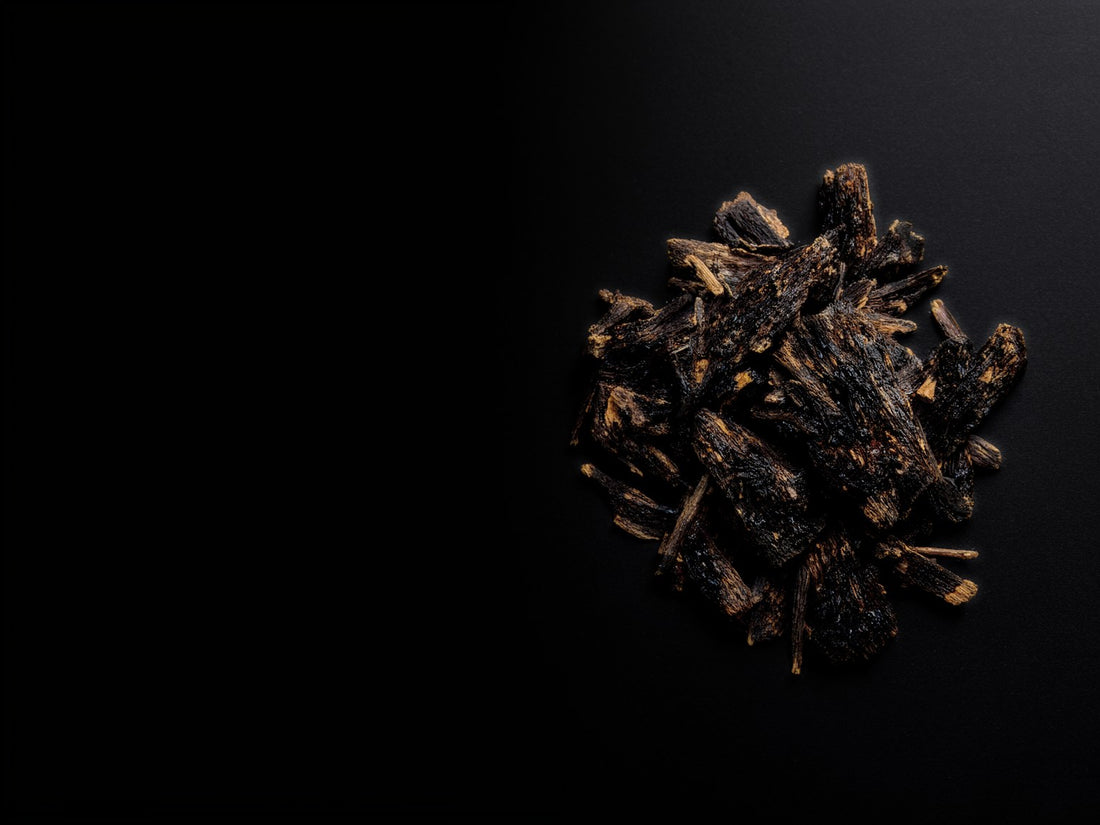
Agarwood, from trees of the genus Aquilaria in Southeast Asia, is one of the most precious materials in perfumery. Healthy wood has no scent: the fragrant resin forms only as the tree's defence after a wound and a fungal infection, and builds up over the years. This is why the finest wood can reach tens of thousands of euros per kilo. The trees have been protected by the CITES convention since the mid-1990s; since 2004 the protection has covered the whole genus.
Saffron and spices
Crocus sativus
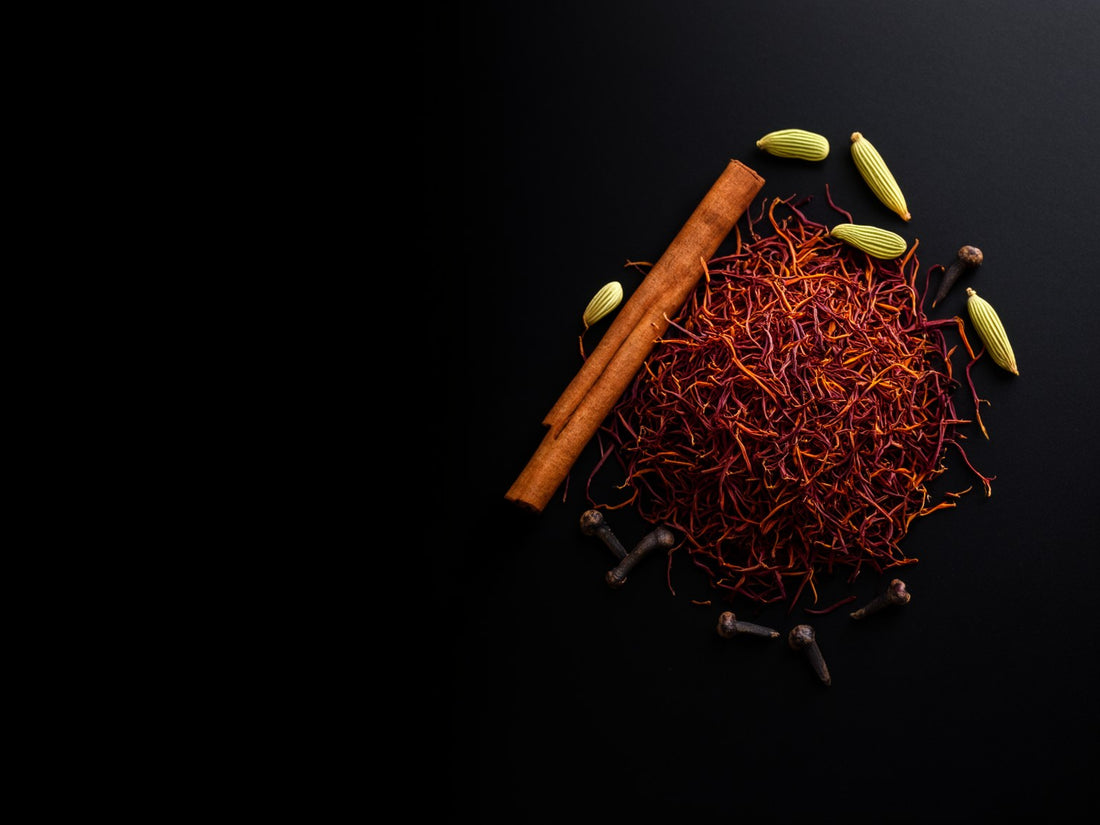
It takes about 150,000 flowers of Crocus sativus, picked by hand, to make a single kilo of saffron. Its scent, due to safranal, develops during drying. Together with other warm spices it gives amber its spicy, regal side.
The nuances of amber
In Michael Edwards' Fragrance Wheel amber sits on the stretch of the wheel between florals and woods: three subfamilies, plus one on the border with florals. From the brightest to the deepest:
← FloralsWoods →
Floral amber
On the border with florals: amber embraces the flowers.
Soft amber
The most delicate and least balsamic version, with incense and soft notes.
Amber
The resinous, vanilla and spicy heart of the family.
Woody amber
Amber meets sandalwood, patchouli and oud.
In everyday language people also speak of spicy, vanilla or gourmand, smoky and leathery ambers. You will find them all in our collection: to see them, use “Find your amber” at the top of the page or the fragrance family filter.
When to wear an amber perfume
Amber perfumes are at their best in cool weather: in autumn, in winter and in the evening. The lighter versions are a pleasure to wear by day and all year round.
Their base materials, resins and balsams, are made of heavy molecules that evaporate slowly. This is why amber is among the longest-lasting families and a few sprays are enough to stay with you for a long time. It is often recommended for evenings, dates and moments when you want to make an impression.
Frequently asked questions
What does amber perfume mean?
It is a perfume built on a warm, sweet and resinous accord, usually based on labdanum, benzoin and vanilla, often with tonka bean, spices, incense or woods. “Amber” refers to the accord, not to a single raw material.
What is the difference between amber and oriental perfumes?
None in substance: it is the same family. Since 2021 Michael Edwards, The Fragrance Foundation and the British Society of Perfumers have used “Amber” instead of “Oriental”, because it describes the scent rather than a geographical area. In French the family has been called “Ambrés” since 1984.
Is amber in perfumery the same as ambergris?
No. Amber in perfumery is an accord of resins and vanilla. Ambergris is a rare substance produced by the sperm whale, with a marine and salty scent, today recreated mainly with molecules such as Ambrox. The two words, however, share the same origin, the Arabic ʿanbar.
Is an amber perfume for men or for women?
Amber has no gender. The more floral and vanilla versions are often chosen by those looking for a feminine perfume, the woodier, more leathery or oud-based ones by those who want it more masculine, but a great many niche perfumes are created unisex. The best way to choose is to try them on your skin.
Can I try an amber perfume before buying it?
Yes. With every order over €100 you receive 10 free samples, and you choose 5 of them yourself: it is the easiest way to discover an amber on your skin before buying the bottle. If you are near Rome, you can try them in person at our boutique in Nettuno.
Are amber perfumes long-lasting?
Yes, they are among the longest-lasting. Resins and balsams evaporate slowly, so a little is enough. They are at their best in autumn, in winter and in the evening, but the lighter ambers can be worn all year round.
Found your amber?
Choose from the 202 amber perfumes in our boutique, signed by the finest international niche houses.
- 10 free samples with every order over €100, you choose 5 of them
- Free shipping in Italy on orders over €60
- Boutique in Nettuno, near Rome, to try them in person